Sri Pratyaksha Charitable Trust – In the Service of the Needy


Be a Part of Preserving What Matters Most

Promoting culture and wellbeing, hand in hand.

Culture, Heritage & Social Welfare

Because tradition thrives when it is lived, shared, and passed on with care.

With the blessings of Jagadguru Shankaracharya Swamigal, Sri Pratyaksha Charitable Trust is committed to reviving India’s spiritual and cultural essence while supporting the communities that sustain it. From rural upliftment and annadanam to temple arts and ancient traditions, every initiative is designed to nurture the body, inspire the soul, and uplift the society.

These are not stand-alone efforts—they are threads in a sacred fabric that ties service to spirituality, art to access, and dharma to daily life.

Rural Development

SPCT works with communities in rural and semi-urban areas to ensure that no village is left behind in the journey toward dignity and development. Programs include:

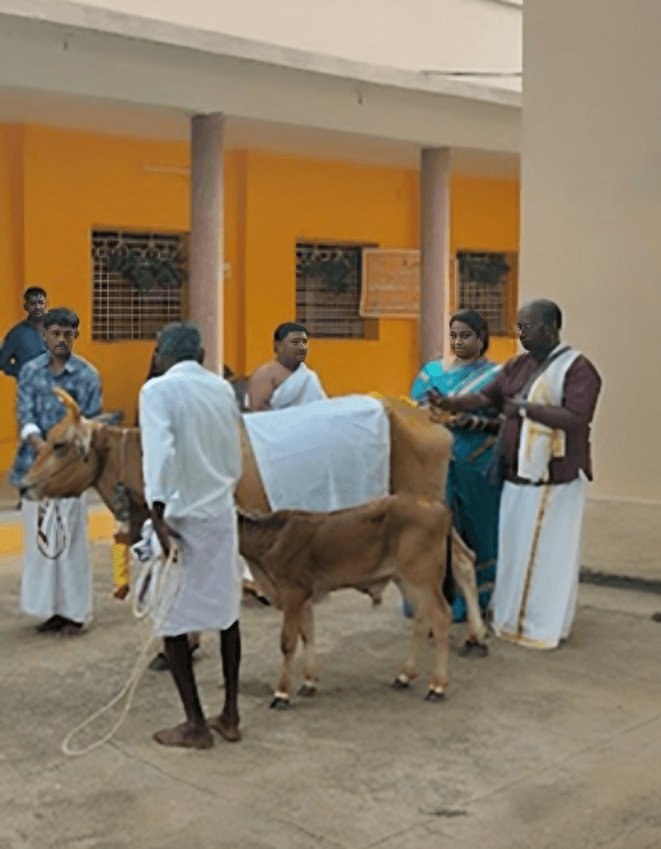
Gau Samrakshanam

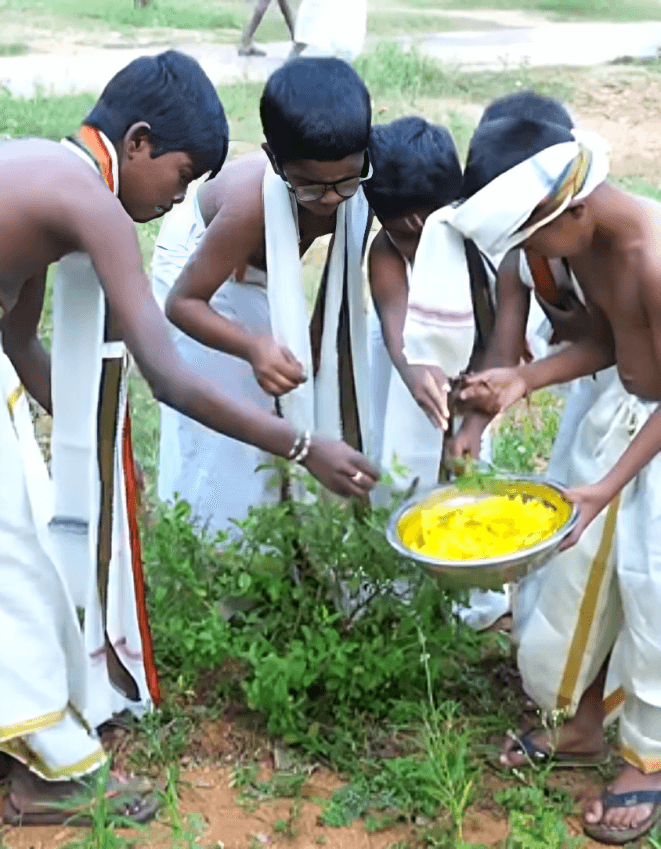
Green Cover

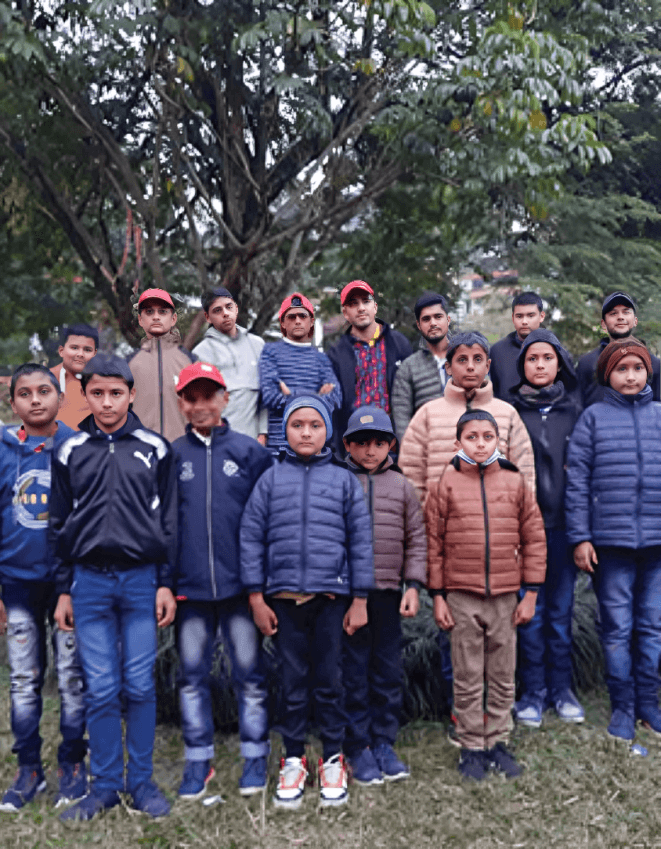
Special Programs for Northeast India and Jammu & Kashmir

Assistance in Performing Marriage
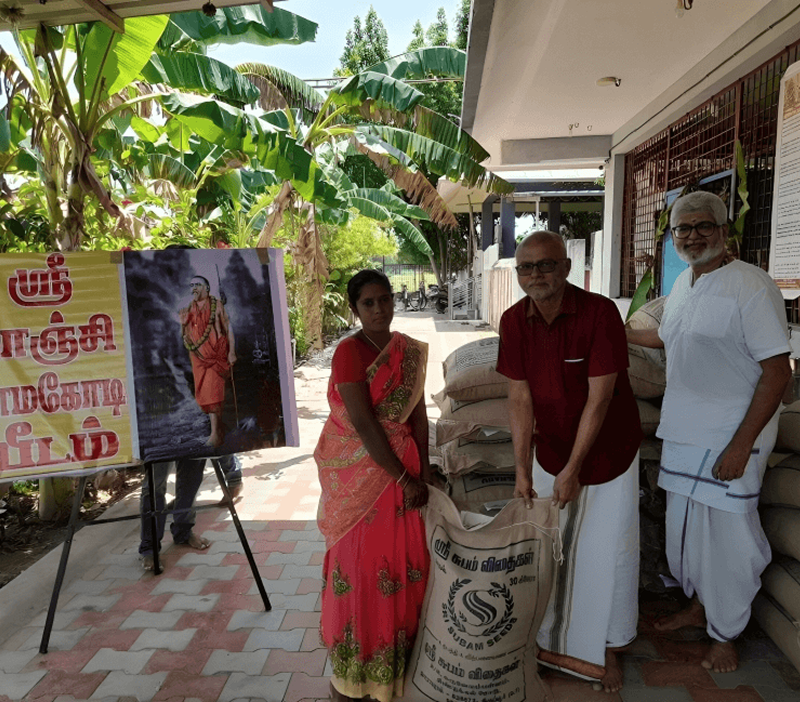
By engaging directly with villagers, local leaders, and temple communities, the Trust ensures that each effort is both sustainable and culturally relevant. Development, in this model, is not only material—but deeply spiritual.

Annadanam

“Feeding the hungry is one of the highest forms of service—where the hand that gives, uplifts both receiver and giver.”

“Annād bhavanti bhūtāni (all creation is sustained due to food)”, says Lord Krishna in the Bhagavad Gita. Our sacred Hindu scriptures (shastras) declare that annadhanam (feeding the poor) is the greatest virtue. Among the Trust’s ongoing initiatives is providing food to those in need, especially in rural areas. Each year, on the occasion of Adi Shankaracharya’s Jayanthi, the Trust organizes Annadhanam Camps in various towns and villages to serve food to the less fortunate.

Devapuja

Temples serve as centres of divinity, culture, and harmony, fostering spiritual well-being and preserving traditional practices through established rituals and daily worship led by archakas.

With this objective, the initiative supports 251 meritorious and deserving archakas (priests) from rural areas across 6 Indian states—Andhra Pradesh, Karnataka, Kerala, Puducherry, Tamil Nadu, and Telangana—who receive no aid from other organizations, by providing essential financial support to improve their livelihoods.

Upholding Those Who Uphold Our Dharma

Temple Tank

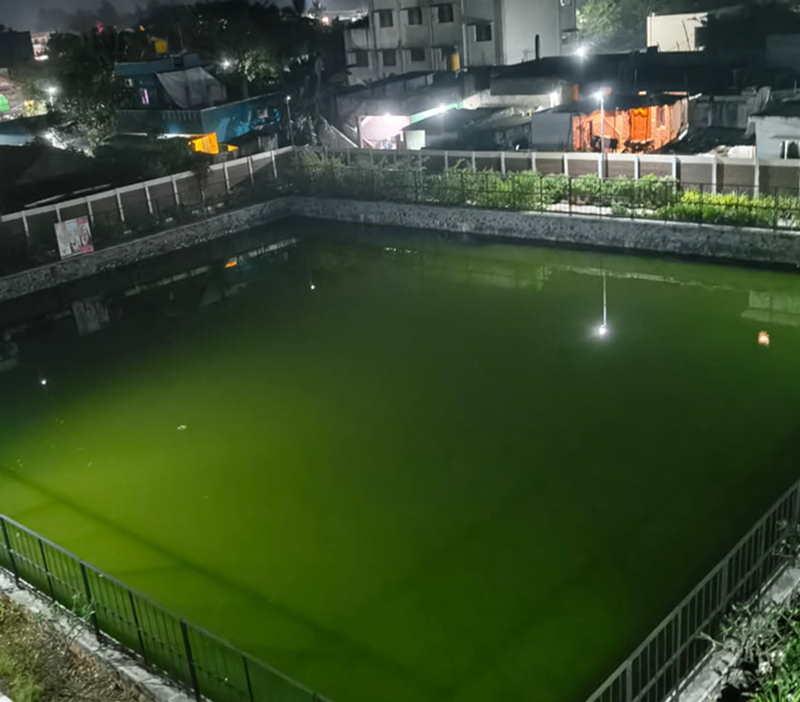
A temple tank was renovated and dedicated to the public in Thandalam Village. The tank recharges groundwater, supports biodiversity, and serves as a reservoir during droughts. There is a pathway built around the tank for walkers to spend time with nature and help with their well-being

Sanatana Dharma Seva Gramam (SDSG)

The project aims to offer a holistic platform that integrates modern education with the study of the Vedas, Shastras, and other Dharmic subjects. It includes CBSE-based schooling, vocational skill development, Sanskrit and Vedic studies, and research supported by a dedicated library, along with cultural facilities such as a Goshala, Yagasala, Vyayamashala, Pushpa Vatika, gallery, and Yoga Center to promote tradition, knowledge, and overall well-being.

Art & Music Preservation

In a fast-changing world, SPCT stands firmly for the preservation of India’s classical arts and spiritual heritage. Through Pathashalas, music schools, and cultural workshops, the Trust fosters:

Training in Nadaswaram, Veena, vocal music, and Bharatanatyam
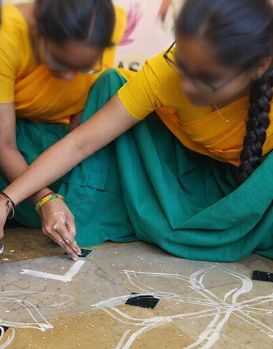
Sanskrit theatre, kolam drawing, naivedyam cooking, and Vedic chanting
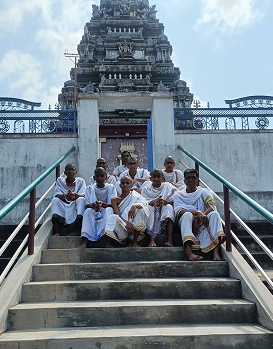
Temple restoration and revival of traditional architecture
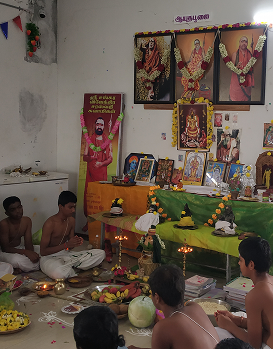
Special camps to teach dharmic practices, pooja vidhanam, and festival rituals
Institutions like the Kamakoti Triveni Sangeetha Patashala in Chennai and Nadaswaram Gurukulams in Karvetinagaram have become living archives of tradition, where students are not just learning an art form, but embracing a way of life.

Rooted in Dharma, Reaching Every Heart.

At Sri Pratyaksha Charitable Trust, culture is not a memory—it is a movement. Whether through feeding a village, restoring a sacred space, or teaching a young child their first sloka, every act is a step toward a more conscious, connected, and compassionate society.

Serving Humanity with Compassion and Commitment